Some weeks seem to pass quietly. Others leave you with the feeling that something has shifted, even if you cannot quite put your finger on it.
This was one of those weeks.
Several situations that had been bubbling away for some time moved up a notch. Tensions in the Gulf intensified, Sudan’s humanitarian crisis took another turn the events in Nepal following the catastrophic glacial collapse and subsequent tsunami of flooding continues to hold the world’s attention and the failure of the NATS (National Air Traffic Services) in the UK caused all of the major airports in UK to go off-line, causing mayhem both in the airports themselves and across the global network of international travel. Across Europe, wildfires continued to bite, while a quiet move involving Dutch gold reserves offered its own signal of the times, and the victory of the far-right AfD in German state elections created a situation that had not been seen since 1945.
As the saying goes, a week is a long time in politics. In risk, perhaps it can be even longer. A situation can simmer for months, then suddenly gather pace. A local disruption can ripple outwards. And sometimes, the quieter moves are the ones worth watching.
In the Gulf, the latest escalation between the U.S. and Iran is putting renewed attention on the Strait of Hormuz. U.S. forces struck Iranian tankers, followed by Iranian attacks on shipping near the Strait and missile attacks on a U.S. base in Jordan. With a significant share of global energy supplies passing through the Strait, disruption there is once again feeding into oil markets, with Brent crude moving above $100 a barrel.
In Sudan, widely recognised as the largest humanitarian disaster on the planet, the conflict has entered its fourth year, with fighting continuing to restrict humanitarian access, particularly in Kordofan and Darfur. An airstrike this week hit two UN aid trucks in South Kordofan, destroying emergency supplies.
The victory of the AfD (Alternative for Germany) party in the eastern state of Saxony-Anhalt has caused consternation across the country. It received 43.8% of the vote, compared with 17.2% for the national ruling party, the conservative CDU. The German security agencies have labelled the AfD an ‘extremist’ organisation, and there has traditionally been a so-called firewall between the AfD and all other parties, which have publicly declared that they would not form a coalition with the AfD under any circumstances. That absolute stance is now being tested by realities on the ground. Both Elon Musk and Donald Trump have come out and welcomed the victory, with Trump finishing his congratulatory tweet with ‘MGGA (Make Germany Great Again)!!!’.
Europe’s wildfire season has continued to bite, including across the western Balkans, where Serbia and neighbouring countries have needed EU firefighting support. A new WMO report has also warned that wildfires and heatwaves are beginning to erode gains in air quality.
And then there was gold. The Dutch central bank moved 86 tonnes of its reserves from New York and Ottawa to London, a move that says something about how differently central banks are beginning to look at geopolitical risk.
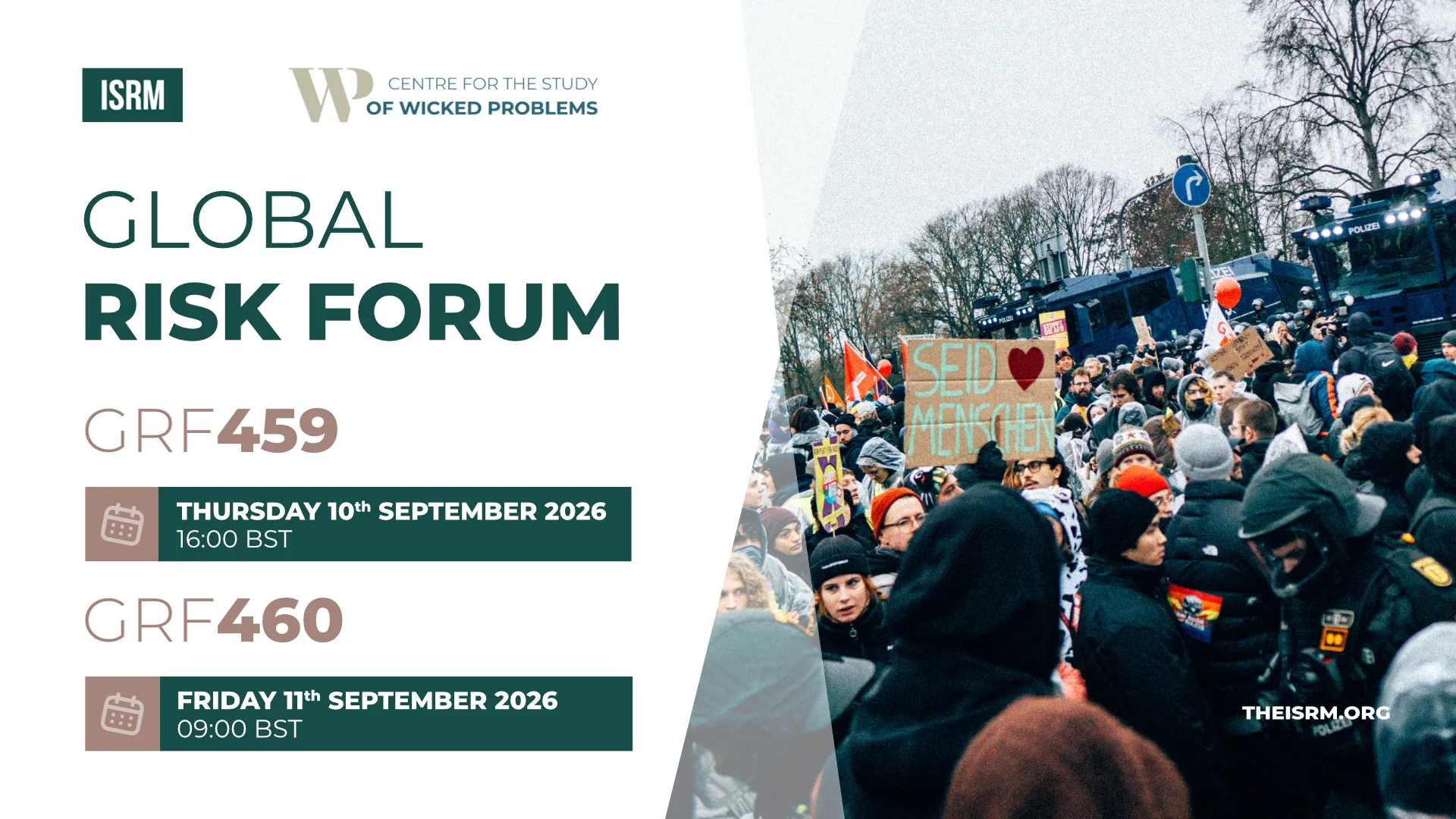
Join this week’s Global Risk Forum discussion. Which development do you think is worth watching most closely in the weeks ahead?
- Global Risk Forum 459
- Thursday, 10th September at 16:00 BST
- REGISTRATION >>
- Global Risk Forum 460
- Friday, 11th September at 09:00 BST
- REGISTRATION >>
