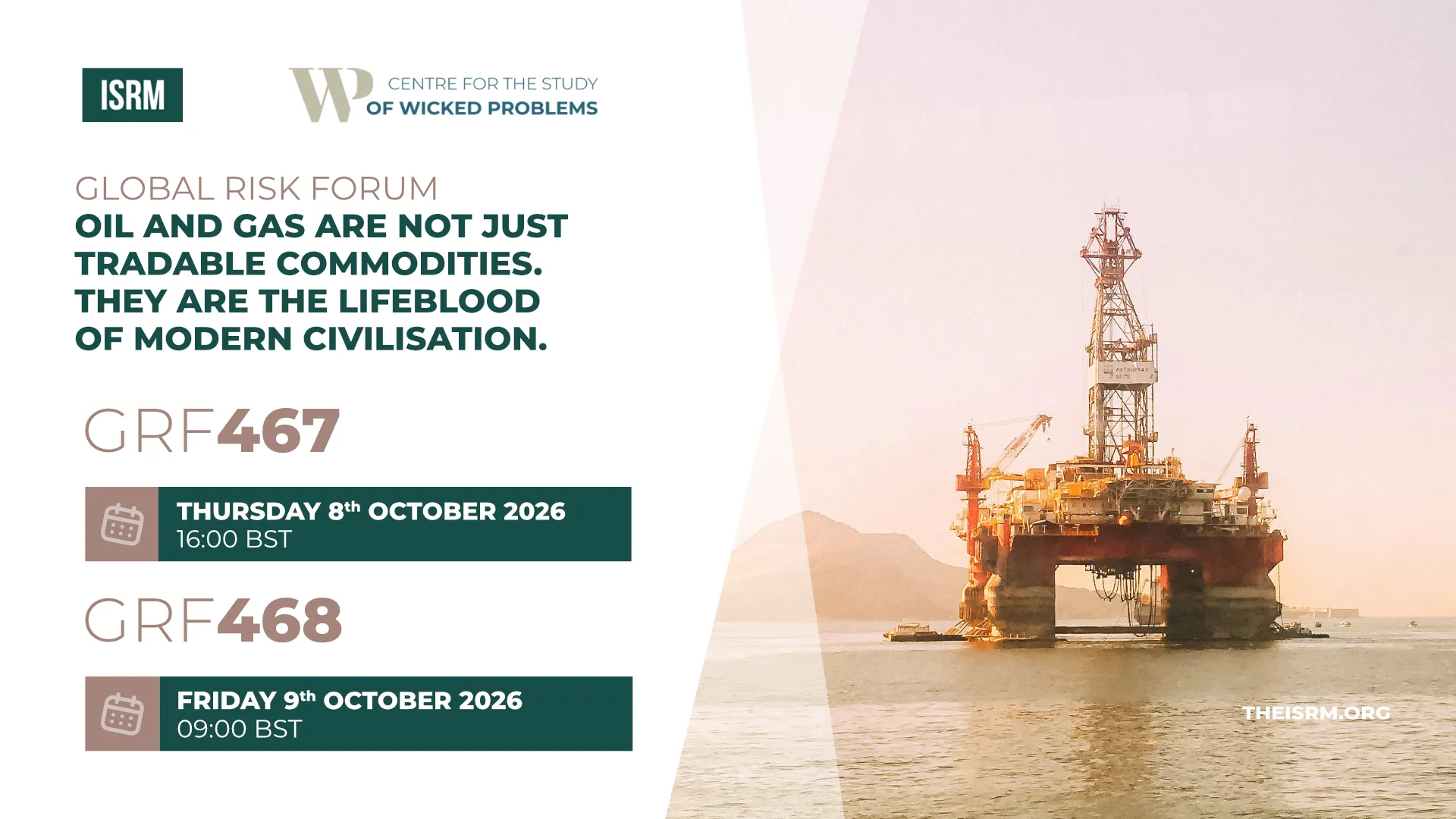
“Oil and gas are not just tradable commodities. They are the lifeblood of modern civilisation.”
Amin Nasser, CEO of Saudi Aramco, said those words this week while reflecting on the continuing disruption around the Strait of Hormuz. He described it as the most serious energy supply shock of his career.
And when someone who has spent decades at the heart of the global energy system says that, it is worth paying attention.
The thing about a crisis is that it rarely stays where it started.
What began as a geopolitical crisis in the Middle East is now rippling through oil and diesel prices, shipping, inflation and government policy. The G7 is releasing 100 million barrels from strategic reserves to try to ease some of the pressure.
But that’s only part of the picture.
Across the Atlantic, US Treasury yields have climbed to levels not seen in more than two decades. In Europe, political uncertainty in France and a surprise election in Spain are adding to market jitters. And elsewhere, emerging economies are feeling the pinch as borrowing gets more expensive and energy costs rise.
Suddenly, these don’t look like completely separate stories anymore.
Pull one thread, and the whole jumper can start to unravel.
Energy affects prices. Prices affect interest rates. Interest rates affect borrowing. Borrowing affects governments, businesses and households. One problem feeds into another, sometimes quietly, sometimes before anyone has had time to catch their breath.
And perhaps that’s the real challenge with strategic risk.
We spend a lot of time asking, “What could go wrong?”
But perhaps we should also be asking: “If it does go wrong, where does it go next?”
Because the first domino is rarely the whole story.
Join us this week on the Global Risk Forum as we follow the latest events and crises unfolding around the world, connect the dots and explore what might be coming next.
- Global Risk Forum 467
- Thursday, 8th October at 16:00 BST
- REGISTRATION >>
- Global Risk Forum 468
- Friday, 9th October at 09:00 BST
- REGISTRATION >>
